

Inside the mission transforming access to knowledge, opportunity and leadership in South Africa
Leadership is not built in isolation. Behind many successful careers are people who offered guidance at the right moment, opened doors to new opportunities, challenged limiting beliefs or shared lessons that could not be learned in a classroom. But in South Africa, access to those conversations is not always equal. Too many talented young people have the ambition to succeed without the networks, guidance or professional exposure that can help them turn their potential into progress.
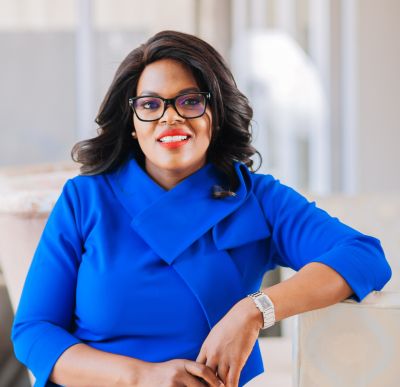
The Mentorship Boardroom (TMB) is working to change that.
Founded by business leader Yolanda Cuba, TMB is built on a powerful conviction: mentorship should not be a privilege reserved for those who already have access to influential networks. It should be a pathway through which more people can develop their potential, make informed decisions and prepare themselves for leadership.
Through its mentorship platform and community-focused initiatives, TMB seeks to connect experienced professionals with emerging talent, making leadership knowledge more accessible and creating opportunities for meaningful engagement between people at different stages of their journeys.
Its mission speaks directly to one of South Africa’s most important development priorities: ensuring that talent, rather than access to the right connections, becomes a greater determinant of opportunity.
A mission rooted in paying it forward
For Yolanda Cuba, mentorship is more than a professional development tool. It is an opportunity to pass on the lessons, perspectives and support that can help others navigate their own journeys.
Her involvement in formal mentorship dates back to 2006, followed by the development of a group-based approach in 2012. The establishment of The Mentorship Boardroom in 2021 extended this commitment, creating a platform intended to broaden access to experienced leaders through technology and structured mentorship opportunities.
At the heart of this approach is a simple but important idea: the experience accumulated in boardrooms, businesses and institutions has value beyond the organisations in which it was gained. When leaders share that knowledge, they contribute to building the next generation of professionals, entrepreneurs and decision-makers.
TMB positions mentorship as a two-way commitment. Mentees bring ambition, questions and fresh perspectives, while mentors offer experience, insight and guidance. The relationship creates space for learning, accountability and personal growth.
It is not about promising overnight success. It is about equipping people with the knowledge and confidence to navigate challenges, recognise opportunities and take ownership of their development.
Turning access into opportunity
One of TMB’s signature initiatives is its annual #67MinutesOfMentorship programme, which draws inspiration from Mandela Day and the spirit of service associated with Nelson Mandela.
When the platform launched in July 2021, Mail & Guardian reported that almost 100 industry leaders participated, offering 67 minutes of mentorship. The initiative created opportunities for participants to engage with professionals whose experience and networks might otherwise have been difficult to access.
This represents an important part of TMB’s mission: making mentorship more accessible by encouraging leaders to contribute something that can have a lasting influence — their time, knowledge and experience.
TMB has also taken its work into educational environments. Wits University hosted a mentorship seminar in 2022, while the Vaal University of Technology hosted a TMB event in July 2025 focused on entrepreneurship, career growth and youth empowerment.
These engagements reinforce the value of connecting education with real-world experience. Academic qualifications remain important, but young people also need opportunities to ask questions, understand different career paths, learn from professional setbacks and develop the confidence to pursue their ambitions.
For TMB, mentorship creates a bridge between potential and preparation.
From boardroom to classroom
The mission extends beyond university students and young professionals. Through its Boardroom to Classroom Challenge, TMB brought its leadership-development philosophy into schools in 2025.
The initiative encouraged executives to spend 67 minutes engaging with learners, sharing personal stories about their careers, the obstacles they encountered and the decisions that shaped their progress.
The significance of this approach lies in its timing. Exposure to role models can help young people begin imagining possibilities before they make important decisions about their education and future careers. Hearing directly from experienced professionals can make unfamiliar career paths feel more tangible and achievable.
By bringing leaders into classrooms, TMB helps create opportunities for learners to engage with people whose journeys demonstrate that success often involves uncertainty, resilience, continuous learning and the willingness to seek guidance.
The initiative also illustrates how mentorship can contribute to social development before young people even enter the formal labour market.
Building a culture of shared leadership
TMB’s work reflects a broader understanding of what leadership should mean in a society facing persistent inequality and limited economic opportunities. Leadership is not only about reaching the top; it is also about helping others develop the capabilities to rise.
That philosophy becomes particularly relevant when considering South Africa’s young people, unemployed graduates, aspiring entrepreneurs and learners from communities where professional networks may be limited.
By creating opportunities for mentorship, TMB contributes to a culture in which experience is shared rather than guarded, knowledge is passed on rather than withheld, and success is understood as something that can create opportunities for others.
The platform’s programmes demonstrate a growing commitment to expanding access to leadership guidance. Its continued development also presents an opportunity to document long-term outcomes more systematically, including employment opportunities, entrepreneurial progress, career advancement and the experiences of mentees who have benefited from its initiatives.
Such evidence would further strengthen the organisation’s contribution to South Africa’s social-impact landscape.
The future is a shared responsibility
The Mentorship Boardroom’s story is ultimately about the power of connection. A conversation can introduce a new possibility. A mentor can challenge a limiting assumption. A professional relationship can provide the encouragement needed to take the next step.
But the wider mission goes beyond individual relationships. It is about building a society in which more people can access the knowledge, networks and guidance needed to participate meaningfully in the economy and contribute to their communities.
For organisations, professionals and business leaders looking to make a difference, TMB offers a reminder that social impact does not always begin with a large financial investment. Sometimes, it begins with a willingness to share what one knows and to make time for someone else’s growth.
As South Africa considers what inclusive leadership should look like in the years ahead, The Mentorship Boardroom is advancing a message worth amplifying: developing future leaders is not the responsibility of young people alone. It is a shared responsibility that calls on those who have travelled the journey to help others find their way.
The Mentorship Boardroom is more than a meeting point between mentors and mentees. It represents a commitment to opening doors, strengthening potential and building a future in which leadership is not simply inherited through access, but developed through opportunity.
Because when leaders make room for others, they do more than shape individual careers. They help shape the future of a nation.